What Causes Cavities and How to Prevent Them
How Cavities Actually Form
Cavities develop when plaque, a thin layer of bacteria, builds up on your teeth and feeds on sugars from the foods and drinks you consume.As these bacteria break down sugar, they produce acids that slowly wear away the outer layer of your teeth. Over time, this process can create small areas of decay that grow deeper if not treated.
This is why cavities often start without pain. The damage begins on the surface and progresses gradually, which is why regular checkups are important even when everything feels fine.
It Is Not Just About Sugar
Sugar plays a role, but it is not the only factor.How often you snack, how well you clean your teeth, and even how your body naturally responds to bacteria all contribute to cavity risk.
Frequent snacking or sipping on sugary drinks throughout the day gives bacteria more opportunities to produce acid. If plaque is not removed regularly, that acid stays in contact with your teeth longer.
Saliva also matters. It helps rinse away food particles and neutralize acids. When saliva flow is reduced, the risk of cavities can increase.
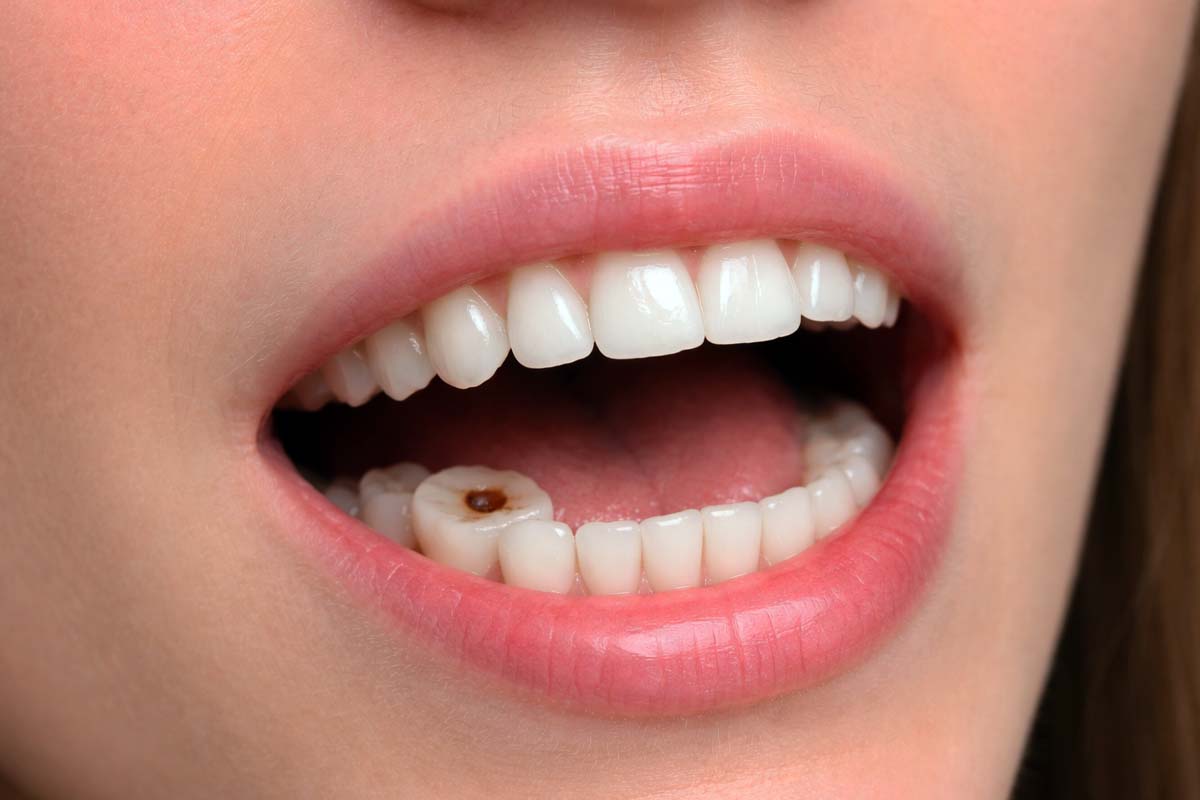
Cavities are easier to treat when caught early through routine exams and cleanings.
Early Signs to Watch For
Cavities do not always cause immediate discomfort, but there are some early signs to look for.You may notice sensitivity to sweets, cold drinks, or certain foods. You might also see small dark spots or areas that look different on the surface of a tooth.
As decay progresses, it can lead to more noticeable pain or discomfort when chewing.
Catching these signs early allows for simpler treatment and helps prevent further damage.
How to Prevent Cavities Day to Day
Preventing cavities comes down to consistency.Brushing twice a day with fluoride toothpaste helps remove plaque and strengthen enamel. Flossing daily reaches the spaces between teeth where a toothbrush cannot.
Limiting frequent snacking and reducing sugary drinks can make a significant difference. Drinking water throughout the day helps rinse your mouth and supports natural saliva function.
These small habits, done consistently, go a long way in protecting your teeth.
The Role of Professional Care
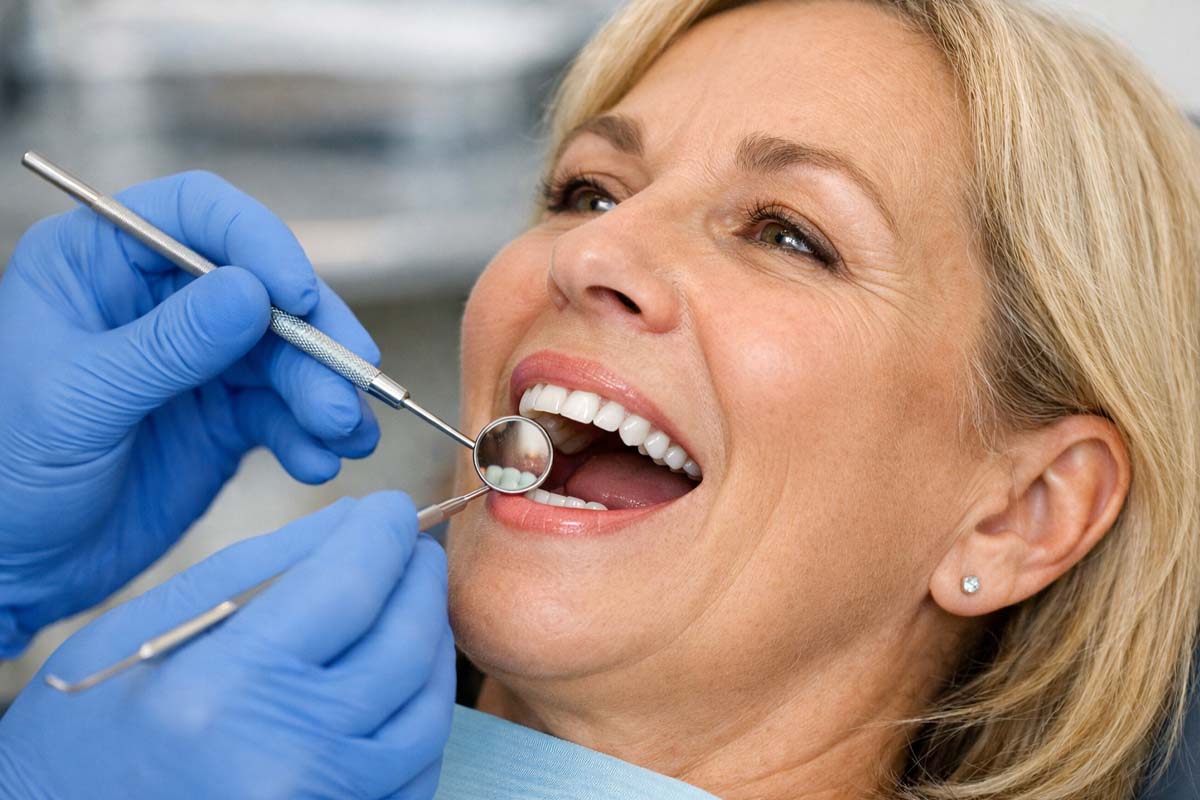
Even with strong daily habits, professional care remains an important part of prevention.Regular exams allow your dentist to catch early signs of decay before they become more serious. Cleanings remove plaque and tartar buildup that cannot be fully addressed at home.
Fluoride treatments or other preventive options may also be recommended based on your specific needs.
This personalized approach is what helps keep small issues from turning into larger ones.
Prevention Is Always Easier Than Treatment
Cavities are one of the most common dental issues, but they are also one of the most preventable.At Cypress Point Family Dentistry, care is centered around long-term relationships and helping patients stay ahead of problems, not just react to them. Being part of the local community means taking the time to understand each patient and provide guidance that fits their routine.
With the right habits at home and regular visits, most cavities can be avoided altogether.
If you have questions about your risk or want to stay on track, a quick visit can give you clear answers and help you move forward with confidence.
Published
Latest Articles
-
What Causes Cavities and How to Prevent Them March 24, 2026
-
Professional Teeth Cleaning vs At-Home Care March 11, 2026
-
Tooth Pain: Common Causes and When to Call a Dentist February 18, 2026
-
Signs You May Need a Dental Cleaning or Checkup February 6, 2026
-
How Often Should You Really Visit the Dentist? January 30, 2026
-